Brand Design and Identity in Lusaka
Make the business recognisable wherever people meet it.
Choosing a branding agency in Lusaka involves more than choosing a visual style. A useful identity helps audiences recognise the organisation and gives its team a consistent way to communicate. Dijitaru connects brand direction with practical design systems, considering how the identity must work across everyday documents, campaign material, digital interfaces and physical applications. The scope starts with the business and its intended audience.
We work with founders, established organisations and teams preparing a launch or repositioning. The starting point is a conversation about your priorities, available resources and the decisions that need to be made. From there, the proposal sets out a practical scope, responsibilities and approval process for brand design and identity.
What’s included
- Brand discovery. A structured discussion of your audience, business direction, current recognition and the identity problems that need attention.
- Positioning direction. A clear statement of the position and personality the identity should express, providing a basis for design evaluation.
- Logo system. An approved mark and agreed variations for the practical sizes, backgrounds and reproduction contexts in the brief.
- Colour and typography. A coordinated palette and type direction with specifications that help teams maintain consistent, readable communication.
- Identity applications. Selected real-world applications showing how the identity behaves across the customer touchpoints included in scope.
- Brand guidelines. Usage guidance covering the agreed elements, common mistakes and the decisions that suppliers should apply consistently.
- Production-ready assets. An organised handover of the approved files in the formats required by the teams and production partners identified.
How we work
Define
Before drawing, we examine what the organisation needs to be known for and which existing signals should be preserved. An established business may have recognition that would be costly to discard. A new venture may need a clear hierarchy between its company name, product names and offer. These decisions help define the design problem and reduce subjective disagreement about individual visual preferences later.
Design
Identity exploration develops a coherent relationship between the mark, typography, colour, imagery and layout. Each direction is considered in realistic contexts rather than as a logo on an empty slide. We discuss legibility, reproduction, language requirements and the places the identity will be used most often. Feedback is assessed against the agreed brief, with approval stages and revision rounds set out in the proposal.
Deliver
An approved identity becomes valuable when people can use it consistently. Guidelines explain spacing, colour values, type choices and common applications. File handover should match the needs of internal teams and external suppliers, with appropriate formats for the agreed uses. Additional items such as packaging, signage, presentation templates or extensive artwork adaptation are scoped explicitly rather than assumed to be part of a logo exercise.
Planning and evaluating the work
A rollout plan helps avoid introducing the new identity unevenly. We can identify the most important customer touchpoints, dependencies on suppliers and materials that may remain in circulation. Implementation priorities depend on operational needs and available budget. Where a brand is changing its positioning as well as its appearance, internal communication and launch messaging deserve attention alongside the final artwork files.
Relevant work
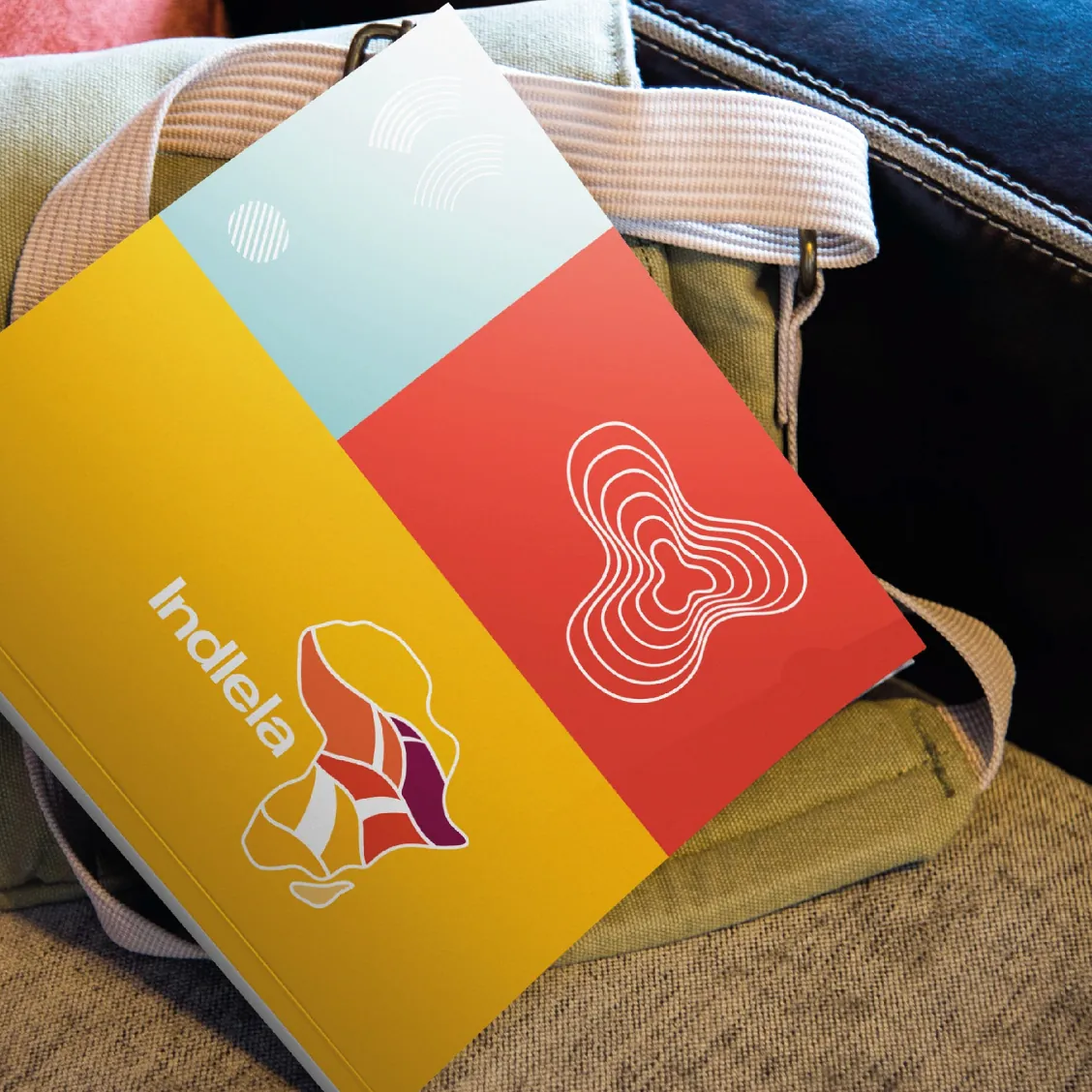
Explore our indlela brand identity for the brief, approach and available output. The portfolio demonstrates creative work; published campaign material should not be interpreted as proof of a specific sales or media result.
Frequently asked questions
Who is brand design and identity for?
This service is designed for founders, established organisations and teams preparing a launch or repositioning. A discovery conversation establishes the business challenge, current resources and relevant decision makers. We can then recommend a defined project or a phased approach based on what needs to change first.
How much does brand design and identity cost?
Pricing for brand design and identity depends on the agreed deliverables, complexity, production requirements and review process. We provide a scoped proposal after reviewing the brief. Any external supplier fees, media budgets or ongoing support should be identified separately so the total commitment is understood before approval.
What should we prepare for a brand design and identity brief?
Bring your objective, audience priorities, existing brand material, budget range and any fixed dates. For brand design and identity, examples of the current customer journey and previous work help identify constraints. Relevant performance information is useful where available, but an initial meeting does not require a finished strategy document.
How long does brand design and identity take?
Timing is agreed after the brand design and identity scope is defined. Research, production, third-party dependencies and stakeholder approvals affect the schedule. The proposal identifies review points and the information needed from your team, so a launch date is based on a workable delivery plan rather than a generic promise.
How will we assess the brand design and identity work?
We agree success measures appropriate to brand design and identity at the start. Delivery quality, audience response and business outcomes are different questions and should be reviewed separately. Where sales or enquiry data is available, it can inform the evaluation; where attribution is limited, that limitation should remain visible in the report.
Explore related services
Advertising Agency in Zambia · Website Design and Development in Zambia
Useful planning guides
Why brand strategy comes before advertising · How to measure marketing ROI